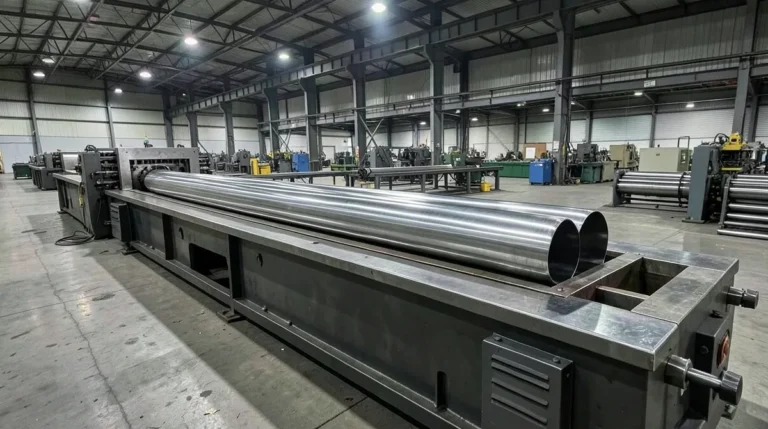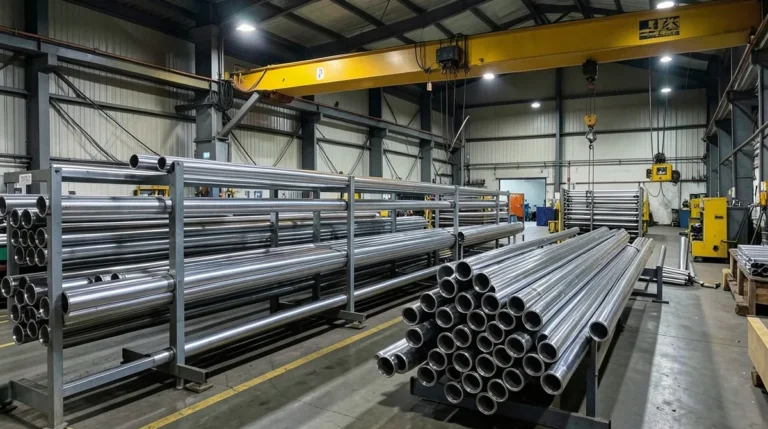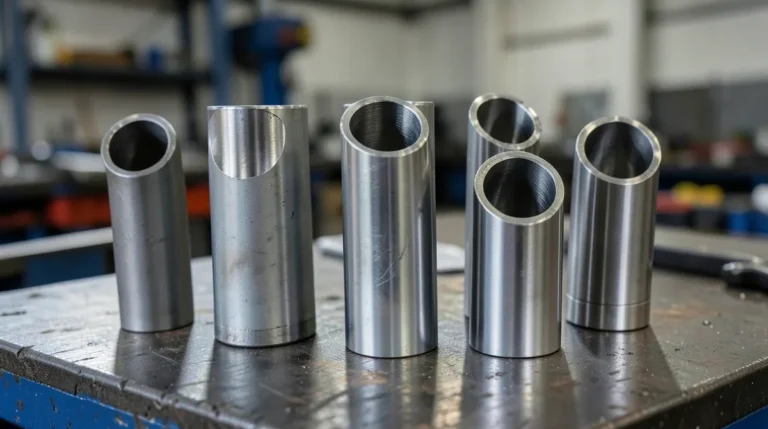
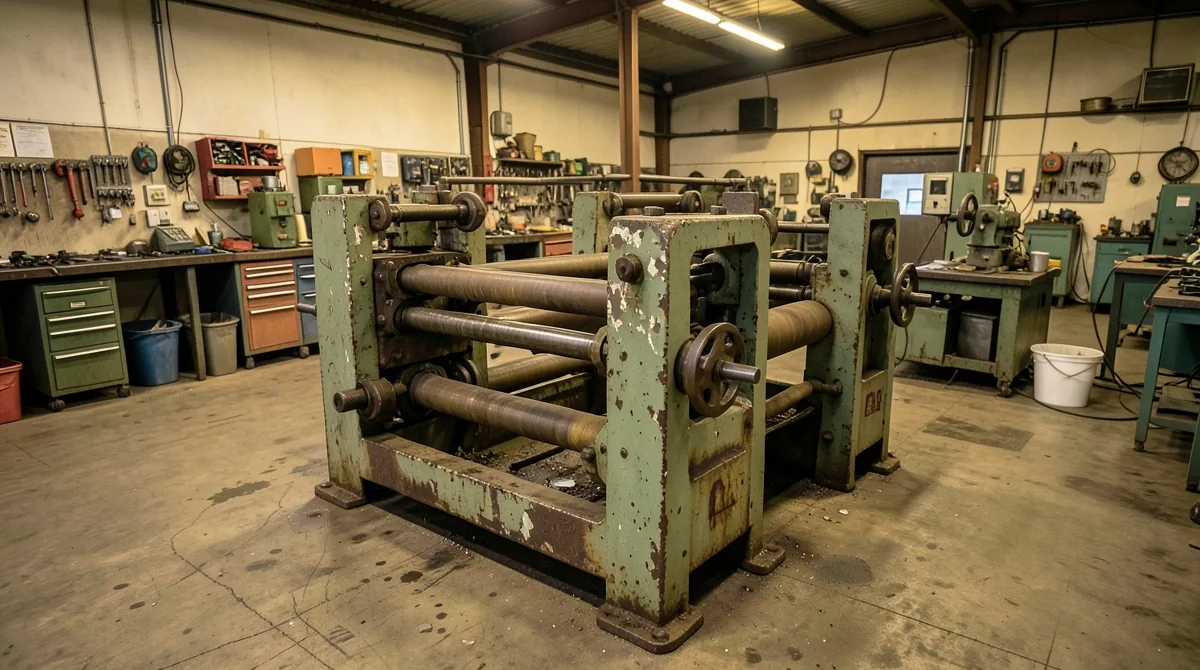
A customer bought a Sierra skiving and roller burnishing machine in 1992. As of 2026 that machine is still running on their production floor.
That is the whole fact, and this hydraulic cylinder skiving case study rests on it rather than on the adjectives usually attached to capital equipment. Sierra Machinery & Engineering builds Skiving and Roller Burnishing machines and tooling in Sparks, Nevada, and runs a full precision shop covering CNC machining, tooling and molds, and welding and fabrication. This piece looks at what a service life like that means for anyone evaluating a bore finishing machine, and at the limits of what one machine can tell you.
What Thirty-Four Years Means in Practice
A machine purchased in 1992 has been working across a span most capital plans never contemplate.
It predates the production planning software running in most plants today. It has outlasted several generations of the controls used elsewhere on the same floor. It has been through operator turnover, maintenance regime changes, and whatever recessions and recoveries passed through its industry.
Put against a typical depreciation schedule, the machine finished paying for itself decades ago. Every tube it has finished since then has carried tooling and labor cost but no capital cost at all.
That is the argument for machine longevity in one sentence, and it is an argument about arithmetic rather than sentiment.
Why This Matters to a Capital Budget
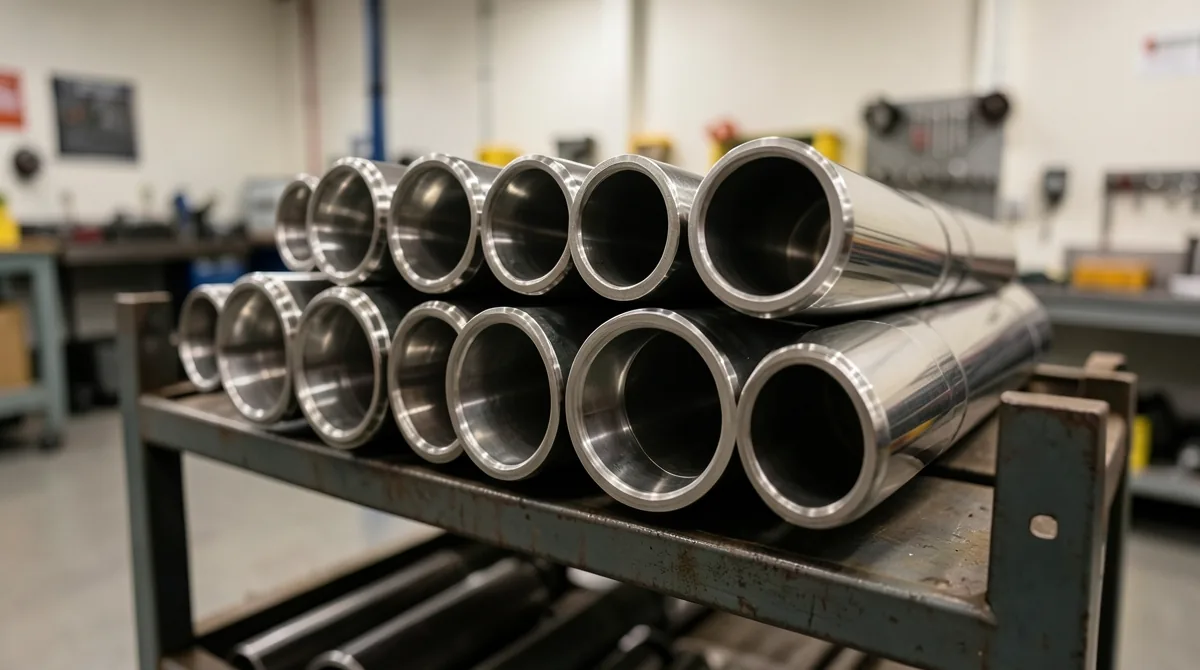
Capital equipment is a large, infrequent commitment, and service life is one of the variables buyers weigh alongside cycle time, bore range, and machine length when they work through how to evaluate a skiving roller burnishing machine. U.S. nonfarm employer businesses invested $1,899.9 billion in new and used structures and equipment in 2022, up 12.9 percent from $1,682.1 billion in 2021, according to the Census Bureau’s Annual Capital Expenditures Survey. Decisions at that scale are made against assumed service lives.
Change the assumed life and the whole calculation moves. A machine written down over fifteen years and a machine that produces for thirty carry different costs per part, and the difference usually exceeds any plausible difference in purchase price.
The difficulty is that service life is the one specification a builder cannot put on a data sheet for a new machine. It can only be demonstrated by machines already in the field, which is why the question to ask is not how long a builder expects a machine to last, but which of their machines is oldest and still working.
What Tends to Make a Machine Last
No single feature explains a long service life. A few conditions make it more likely.
Mechanical simplicity in the load-bearing path. Fewer components carrying the cutting load means fewer things to wear out and fewer that cannot be replaced.
Tooling that remains available. A machine is finished when its tooling is. A builder who designs and produces tooling in house controls that supply. Sierra produces over 200 tooling sizes from 35mm to 508mm at 1651 Glendale Avenue in Sparks, and the tooling for a machine is made in the same shop that built it.
Serviceable controls. Controls age faster than iron. What matters is whether they can be diagnosed, repaired, or replaced without the machine becoming scrap around them.
A builder still in business. This is the unglamorous one. Sierra has been building these machines for 47 years as of 2026, which means the company that built the 1992 machine is still there to support it.
What This Hydraulic Cylinder Skiving Case Study Does Not Prove
One machine is one machine, and it would be dishonest to present it as a representative result.
Sierra does not publish the customer’s name, industry, or duty cycle for this installation, so there is no way for a reader to know how hard it has been worked or how well it has been maintained. Service life depends heavily on both, along with the material being run, the hours per week, and the maintenance discipline of the plant.
Another buyer’s machine may last longer or may not. This installation demonstrates that the service life is achievable. It does not establish that it is typical, and no responsible reading of it should.
What it does support is a question worth putting to every supplier on a shortlist. Ask for the oldest machine of theirs still in production, ask roughly when it was sold, and ask whether tooling and support for it still exist. A builder who cannot answer is telling you something.
The Second-Hand Market Tells You Something
A useful cross-check on service life costs nothing to run.
Machines that last hold value, and machines that hold value appear on the used market with buyers for them. Machines that do not last quietly do not appear at all, because they were scrapped rather than resold.
That signal is imperfect and it is public. If equipment from a given builder shows up for resale and finds buyers decades after it was made, the installed base has already voted on whether the machines are worth keeping running.
How to Weigh Longevity Against Price
Longevity is difficult to price, so buyers tend to ignore it and weight purchase price alone.
A more useful approach is to hold the finishing requirement constant and ask what the whole cost looks like over the period you actually plan to produce the part. Tooling consumption per tube, labor per tube, floor space, downtime, and eventual replacement all belong in that number, alongside the specifications that determine cycle time.
Under that view, a machine that costs more and produces for twice as long is frequently the cheaper option, and the gap widens the longer the product stays in production. Hydraulic cylinder designs tend to stay in production a long time, which is exactly the condition that rewards a durable machine.
Frequently Asked Questions About SRB Machine Service Life
01How long does a skiving and roller burnishing machine last?
Service life depends on duty cycle, material, and maintenance. Sierra has a machine sold in 1992 that remains in production on a customer’s floor as of 2026. One installation demonstrates that such a service life is achievable rather than establishing that it is typical for every machine or plant.
02What limits the working life of an SRB machine?
Three things usually decide it: wear in the components carrying the cutting load, whether tooling for the machine remains available, and whether the controls can still be diagnosed and repaired. A builder still in business to supply parts and support matters as much as the iron.
03Why does tooling availability affect machine life?
A skiving and roller burnishing machine is unusable without tooling for the bore sizes it runs. When tooling is designed and produced by the machine builder, that supply is under one roof. Sierra produces over 200 tooling sizes from 35mm to 508mm in Sparks, Nevada.
04Should I weigh service life against purchase price?
Compare total cost over the period you plan to produce the part, including tooling consumption, labor, downtime, floor space, and eventual replacement. A machine that produces for significantly longer can cost less per part despite a higher purchase price, particularly where the product stays in production for decades.
05What should I ask a supplier about machine longevity?
Ask which of their machines is oldest and still in production, roughly when it was sold, and whether tooling and technical support for it still exist. These questions are answerable from a builder’s own installed base and are harder to present selectively than a specification sheet.
Sierra Machinery & Engineering: Machines and Parts from Sparks, Nevada
Sierra Machinery & Engineering has built skiving and roller burnishing machines in Sparks, Nevada for 47 years as of 2026. A 26-person team runs a 22,000 square foot shop, with every part verified in our CMM Lab before it ships.
What We Build:
- Skiving & Roller Burnishing Machines: One forward pass, 17 seconds, on an 80mm ID tube at 1 meter with 2mm stock removal. CE certified.
- About Sierra Machinery: 47 years in Sparks, a 26-person team, and machines running across eight regions worldwide
Evaluating a bore finishing machine? Talk to the shop and tell us the tube size, length, and material.
Works Cited
- United States, Census Bureau. “U.S. Nonfarm Employer Businesses Capital Investment up to $1,899.9 Billion in 2022.” U.S. Department of Commerce, 28 Feb. 2024, www.census.gov/newsroom/press-releases/2024/nonfarm-employer-business-capital-investment.html.