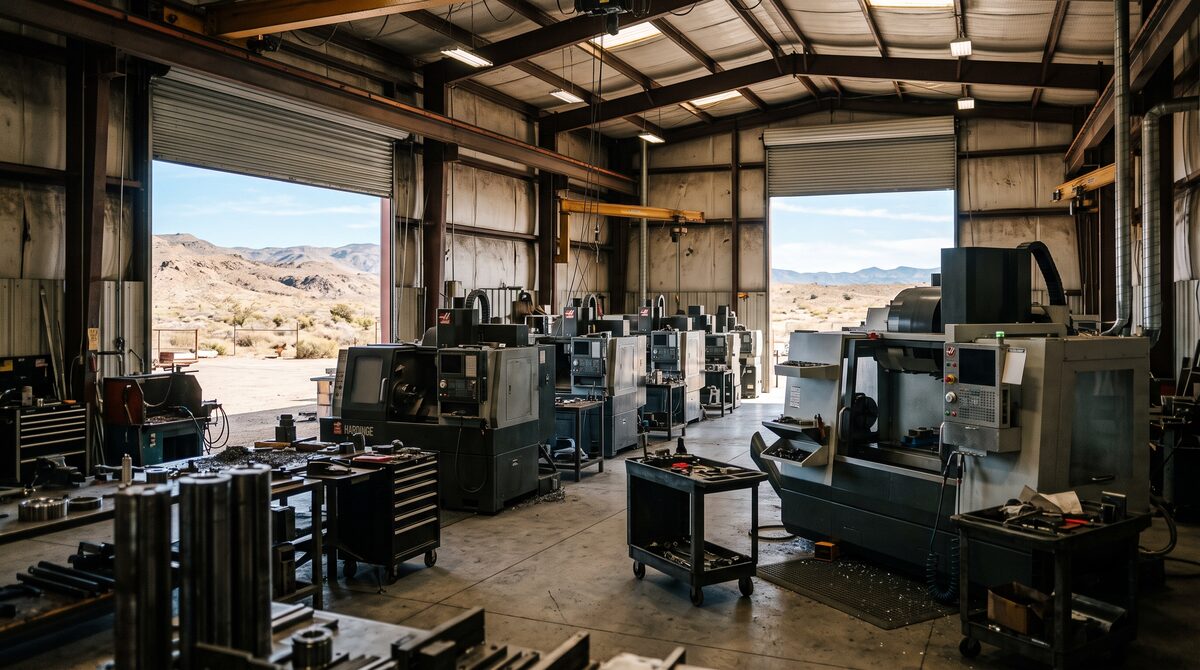
Northern Nevada is a manufacturing region now, not a distribution corridor with a few shops attached to it. The U.S. Bureau of Labor Statistics counted 31,700 manufacturing jobs in the Reno metro area in June 2026, an increase of 1.6 percent over the year, against 285,900 total nonfarm jobs. That growth changed the buying problem. There are more shops to call, so finding one is no longer the hard part. The hard part is telling which shop can finish the part sitting on your desk.
Sierra Machinery & Engineering builds Skiving and Roller Burnishing machines and tooling in Sparks, Nevada, and runs a full precision shop covering CNC machining, tooling and molds, and welding and fabrication. What follows is how buyers in the Truckee Meadows separate one shop from another before the first purchase order.
What the Term “Machine Shop” Actually Covers
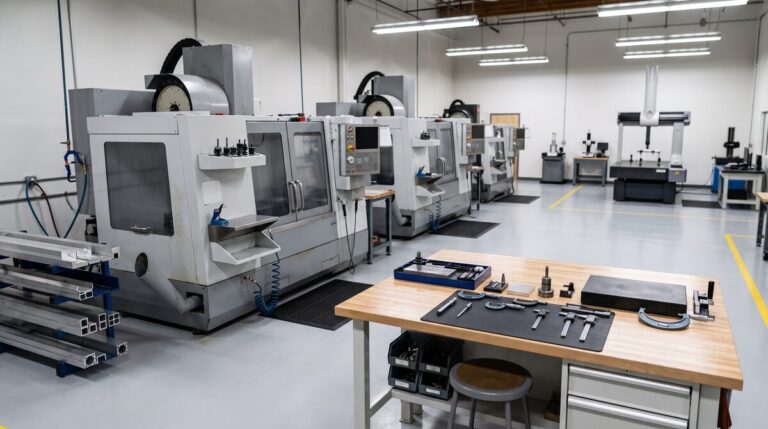
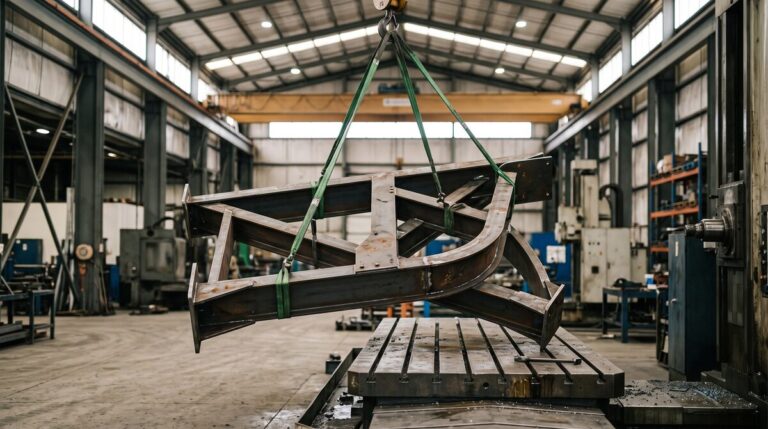
Two businesses in the Reno area can both call themselves a machine shop and share almost no capability. One runs a bank of small CNC mills producing high-volume brackets from bar stock. The other has a horizontal boring mill, a crane, and a weld bay, and it takes in fabrications that arrive on a flatbed.
Both descriptions are accurate. Neither is interchangeable. Before you compare quotes, decide which category your part belongs to, because a shop set up for volume will price a one-off large weldment badly, and a shop set up for large work will price a 5,000-piece run badly.
The clearest sorting question is not about equipment brands. It is about the work already moving across the floor. Ask what the shop ran last month and what the largest job on the floor weighs.
Count the Processes Under One Roof
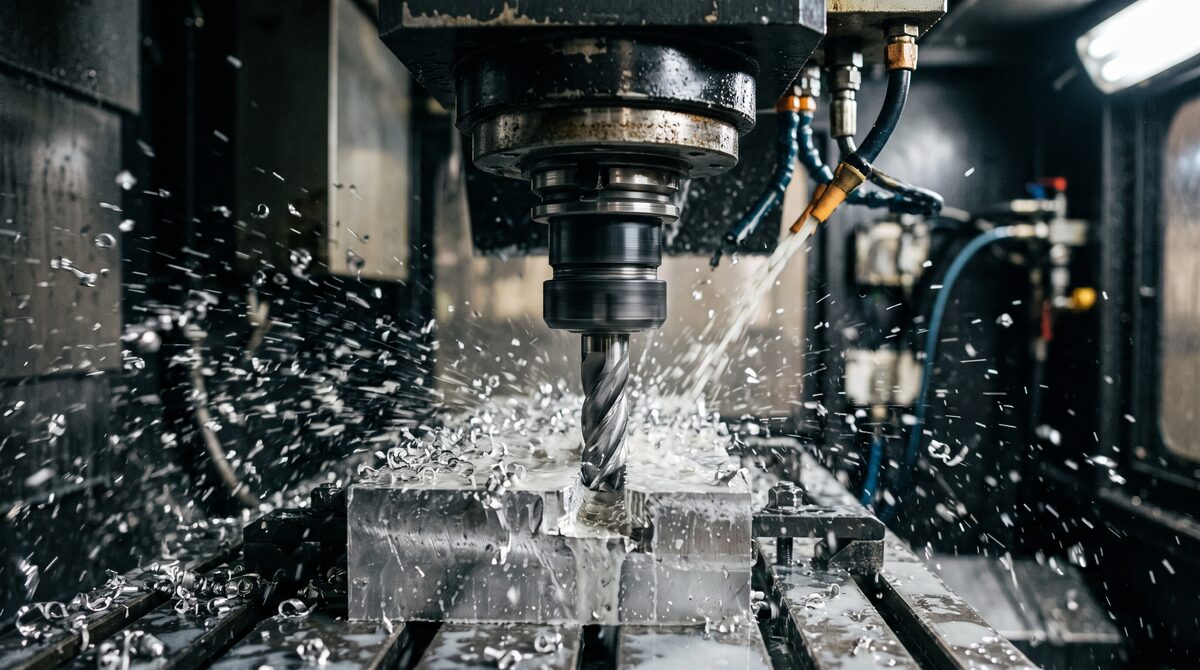
A part that needs turning, milling, welding, and final inspection can move through one building or through four. Each move between vendors adds a shipment, a setup, a new fixture, and a new set of hands interpreting the same drawing.
Handoffs also blur accountability. When a finished assembly measures out of tolerance and three vendors touched it, the investigation itself becomes a project. Shops that hold machining, fabrication, and inspection in the same building can trace a dimension backward without a phone tree. That is the core of the single-source versus multi-vendor question in precision manufacturing, and it is worth settling early rather than after the first rework cycle.
Welding makes the point sharply. Heat moves metal, so critical features on a weldment are usually machined after fabrication and stress relief. A shop holding certified welding and CNC machining together runs that as one routed job. Split across two companies, it becomes freight, re-fixturing, and a second inspection cycle.
Count the processes, then count the buildings. If the second number is higher than one, price the difference honestly.
Ask About Part Size Before Anything Else
Envelope kills more quotes than tolerance does. A part can be geometrically simple and still be unquotable because it does not fit the table, the swing, or the door.
Useful questions run in this order. What is the largest workpiece the shop has machined in the last year, by weight and by longest dimension? Is there overhead lift, and what is its rated capacity? Can the same building weld a fabrication and then machine it after stress relief, or does the weldment leave for machining?
Shops that take large and awkward work weekly answer in specifics. Vague answers here are informative. A shop in the Sparks industrial corridor that handles large part work will usually name the job rather than the machine.
Inspection Is a Capability, Not a Paperwork Step
Inspection separates shops more sharply than machining does, and buyers under-weight it constantly.
A shop with hand gauges can confirm a diameter. A shop with a coordinate measuring machine can confirm position, profile, runout, and the datum relationships the drawing actually calls out. On a part with geometric tolerancing, those are different levels of proof.
Ask what gets measured, when, what documentation comes back with the parts, and who signs it. A shop that measures every part and can hand you the record is making a verifiable statement rather than a reassuring one.
What a Useful RFQ Contains
Quotes get slow because the package is thin. Send the model and the drawing, not one or the other. Name the material and the specification, not just the alloy family. State the quantity and whether it repeats.
Call out which features are critical and which are reference. Say what inspection documentation you need. If there is a finish, plating, or heat treat requirement, name the spec.
A complete package returns a real number. An incomplete one returns a range and a list of questions.
Frequently Asked Questions About Choosing a Machine Shop in Reno NV
01What should I look for in a machine shop in Reno NV?
Look for process count under one roof, part envelope, and inspection capability. Confirm the largest job the shop has run recently by weight and length, whether welding and machining happen in the same building, and what measurement equipment verifies the finished part before it ships.
02How large a part can a Reno area machine shop handle?
Capacity varies widely between shops in the Reno and Sparks corridor. Some are built around small high-volume work, while others carry overhead lift, large machining envelopes, and weld bays for structural assemblies. Ask for the largest recent job by weight and longest dimension rather than a machine list.
03Is it better to use one shop or several vendors?
One building removes shipments, setups, and handoffs between processes, and it keeps accountability in a single place when a dimension is questioned. Several vendors can suit high-volume commodity work. The decision usually turns on part size, tolerance, and how many processes the part requires.
04What information should an RFQ include?
Send the 3D model and the drawing together, the material and its specification, the quantity, and whether the order repeats. Identify critical features, name any finish, plating, or heat treat requirement, and state what inspection documentation you need returned with the parts.
05Do Reno machine shops handle welding as well as machining?
Some do and many do not. Welded assemblies move under heat, so machining after fabrication is often what places critical features correctly. Shops holding certified welding and CNC machining in the same building can route weld, stress relief, and finish machining as one job.
Sierra Machinery & Engineering: Machines and Parts from Sparks, Nevada
Sierra Machinery & Engineering has built skiving and roller burnishing machines in Sparks, Nevada for 47 years as of 2026. A 26-person team runs a 22,000 square foot shop, with every part measured and verified in our CMM Lab before it ships.
What We Build:
- Contract Manufacturing Services: CNC machining, tooling and molds, and welding and fabrication, all in house
- About Sierra Machinery: 47 years in Sparks, a 26-person team, and named supervisors with 14 to 48 years in the trade
Have a part other shops have declined? Request a quote and tell us the size, material, and processes involved.
Works Cited
- United States, Bureau of Labor Statistics. “Reno Area Economic Summary.” U.S. Department of Labor, 6 Aug. 2026, www.bls.gov/regions/west/summary/blssummary_reno.pdf.