A part that needs machining, welding, and inspection can be bought two ways. You can route it through one shop that holds all three processes, or you can split it across specialists and manage the sequence yourself. Both approaches are used across northern Nevada, and each is correct under different conditions.
Sierra Machinery & Engineering builds Skiving and Roller Burnishing machines and tooling in Sparks, Nevada, and runs a full precision shop covering CNC machining, tooling and molds, and welding and fabrication. What follows compares the two sourcing approaches on the terms that decide most jobs.
Where the Multi-Vendor Approach Wins
Splitting work across specialists has real advantages, and dismissing them is sloppy analysis.
Specialist shops are usually cheaper per operation on high-volume commodity work, because a shop running one process at scale has amortized its setup and its operator training against thousands of parts. Splitting also reduces single-vendor dependence. If one supplier’s schedule slips, the rest of the chain still moves.
Multiple vendors give you price discovery too. Quoting each operation separately shows exactly where the cost sits, which is difficult to see inside a single bundled number.
For simple, repeating, high-volume parts with generous tolerances, the multi-vendor route is often the sound commercial decision.
Where the Single-Source Approach Wins
The picture inverts as parts get larger, tighter, and more processes get involved.
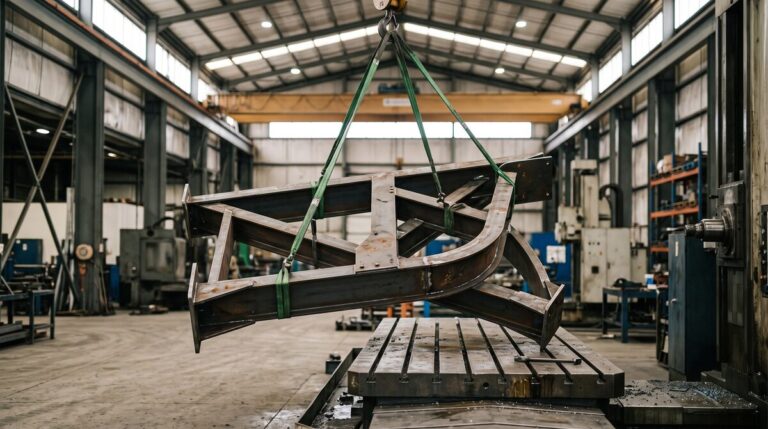
Handoffs cost money that does not appear on any quote. Every transfer between vendors adds packaging, freight, receiving, and a fresh setup. On a heavy fabrication, that freight alone can exceed the machining savings.
Fixturing gets repeated. Each shop builds its own way of holding the part. Two shops means two fixture strategies and two chances of locating from a different surface than the drawing intends.
Datums drift between vendors. This is the failure mode buyers see least and pay for most.
Why Datum Consistency Decides Tolerance Outcomes
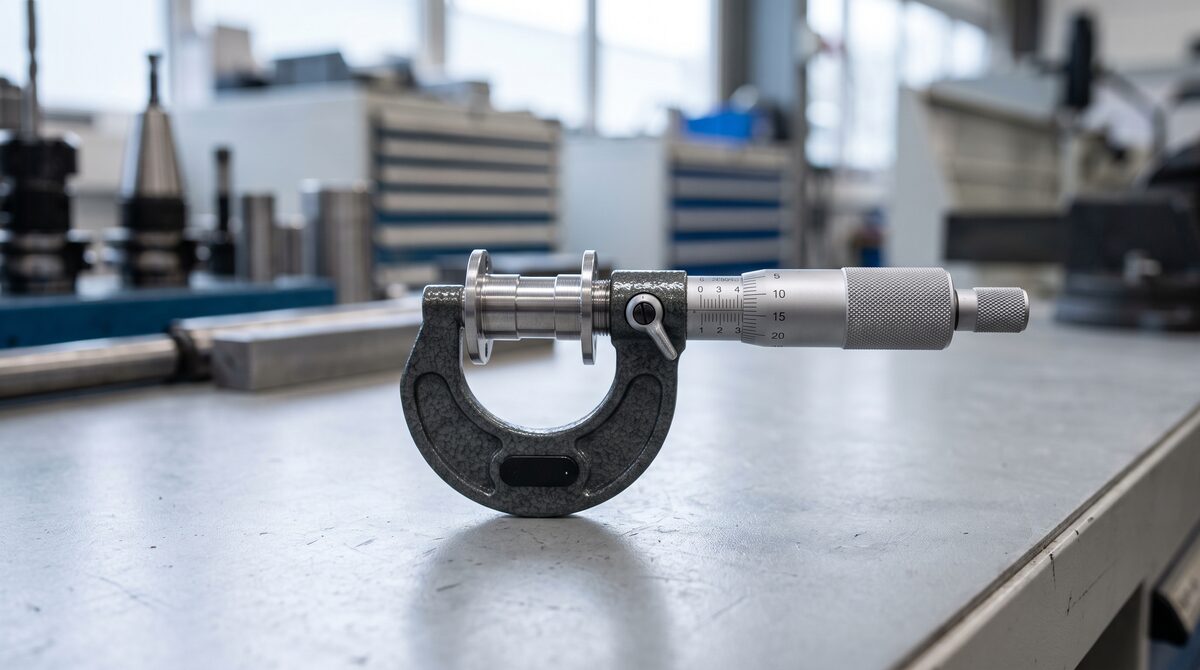
A dimensional tolerance is meaningless without the reference it is measured from. The National Institute of Standards and Technology’s Dimensional Metrology Group realizes and disseminates the SI unit of length and leads the documentary standards work, alongside bodies including ASME, ASTM, and ISO, that defines how those references are established and how measuring instruments are assessed against them.
That standards work exists because measurement is interpretive. Two competent inspectors measuring the same feature from differently established datums can both be right and still disagree. When machining happens at one vendor and inspection at another, that disagreement surfaces after the parts exist, which is the most expensive possible moment.
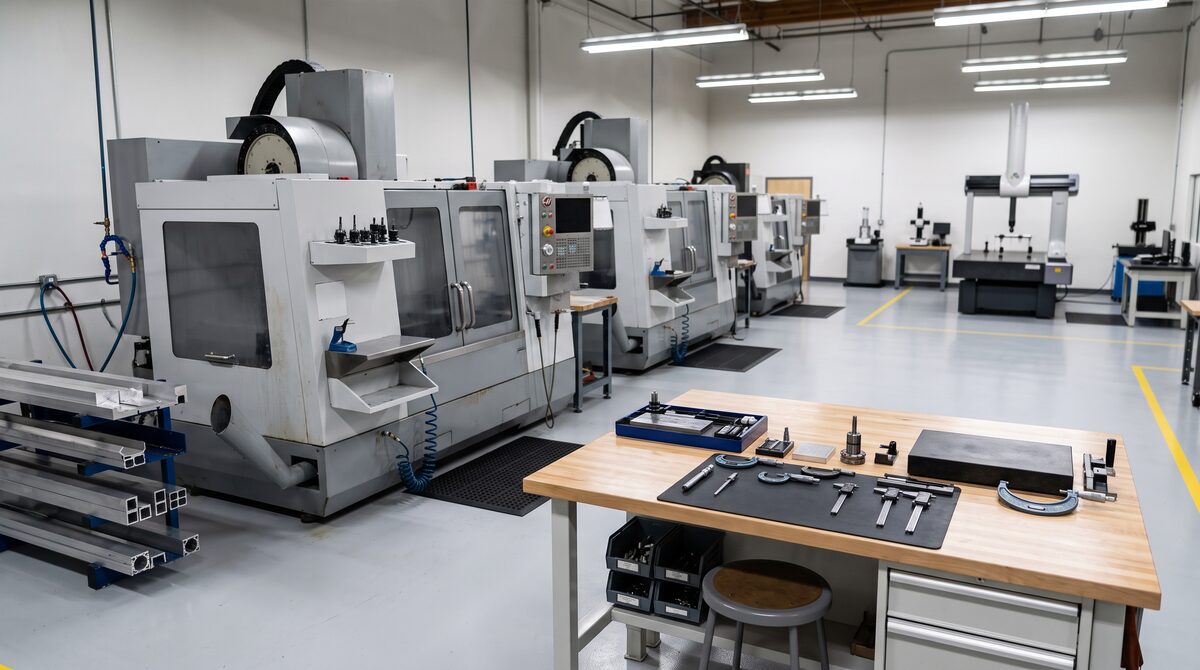
Keeping machining and measurement under one roof does not remove the problem. It shortens the loop for resolving it, because the same drawing interpretation carries from setup through final inspection, and the fixture is still on the floor when a question comes up.
Accountability When Something Is Wrong
The sharpest practical difference appears when a finished assembly does not measure the way it should.
With one vendor, there is one investigation. Setup sheets, tool paths, weld sequence, and inspection records sit in the same building, and the same supervisors can walk the part back through its own routing.
With three vendors, the investigation begins with a question about which vendor owns the deviation. Each has records for its own operations only, and none has visibility into what the part looked like before it arrived. Resolution takes weeks rather than hours, and the commercial conversation gets uncomfortable before the technical one concludes.
Buyers rarely price this scenario during sourcing. It is worth pricing, because it is the scenario that consumes program schedule.
How to Decide
The decision comes down to four variables.
Process count. One or two operations favor specialists. Four or more favor a single source.
Part size and weight. Freight and re-fixturing costs scale with mass. Heavy parts favor a single building.
Tolerance and geometric callouts. Tight positional and profile tolerances across multiple processes favor one drawing interpretation from start to finish.
Volume. High volume favors specialists. One-off and low-volume work favors a shop that treats mixed routings as routine, which is a common pattern among machine shops in the Sparks industrial corridor.
Score a part against those four and the answer is usually obvious. The broader evaluation criteria for a machine shop in the Reno area apply either way, because you still need to confirm the capability exists before you compare structures.
Frequently Asked Questions About Precision Manufacturing in Reno NV
01Is single-source manufacturing cheaper than using multiple vendors?
Not always. Specialist vendors are often cheaper per operation on high-volume commodity parts. Single-source becomes cheaper as parts get heavier, tolerances tighten, and process count rises, because freight, repeated fixturing, and rework loops between vendors are costs that never appear on a quote.
02What is a datum and why does it matter across vendors?
A datum is the reference a dimension is measured from. Tolerances are meaningless without one. Two shops establishing datums differently can measure the same feature and disagree while both follow the drawing, which is why one interpretation from machining through inspection reduces disputes.
03How many processes justify using one shop?
There is no fixed threshold, though four or more operations on a single part usually favors one building. Each transfer between vendors adds packaging, freight, receiving, and a new setup, so the cost of handoffs rises faster than the per-operation savings.
04Who resolves a problem when several vendors touched a part?
That is the difficulty. Each vendor holds records for its own operations and has no visibility into the part’s condition on arrival. A single-source routing keeps setup sheets, weld sequence, and inspection records in one building, so the part can be walked back through its own history.
05What does precision manufacturing mean in practice?
It describes work held to defined dimensional and geometric tolerances and verified against them, rather than work that merely looks correct. In practice it requires controlled processes, appropriate fixturing, and measurement equipment capable of reading the geometric callouts on the drawing.
Sierra Machinery & Engineering: Machines and Parts from Sparks, Nevada
Sierra Machinery & Engineering has built skiving and roller burnishing machines in Sparks, Nevada for 47 years as of 2026. A 26-person team runs a 22,000 square foot shop, with every part measured and verified in our CMM Lab before it ships.
What We Build:
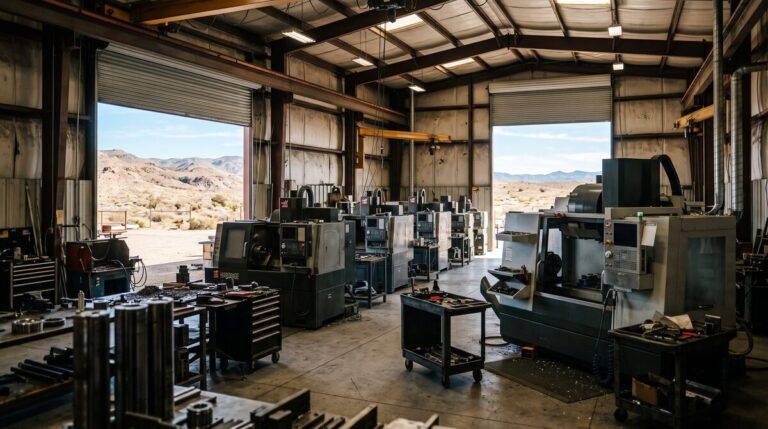
- CNC Machining & Precision Manufacturing: CNC, lathe, mill, Wire EDM, and grinding in house for larger parts and multiple-process jobs
- Tooling & Molds: Close-tolerance cylindrical tooling and mold making, designed and produced in house
Have a multi-process part to quote? Talk to the shop and tell us the size, material, and tolerances involved.
Works Cited
- National Institute of Standards and Technology. “Dimensional Metrology Group.” U.S. Department of Commerce, 26 Mar. 2025, www.nist.gov/pml/sensor-science/dimensional-metrology.